Use several evidence points
Fitment is strongest when the turbo number, OE reference, engine model, application and photos all point to the same replacement path.
A single keyword match is not enough for wholesale orders where return cost can erase the price advantage.
Check the installation interfaces
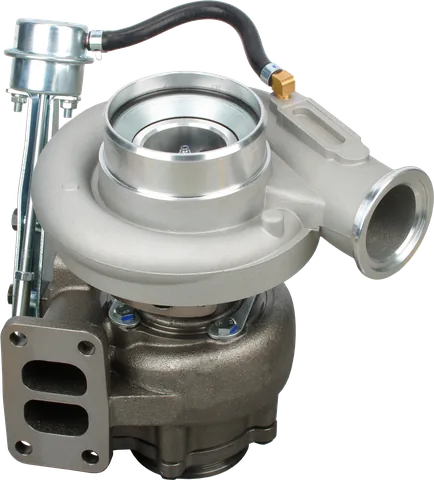
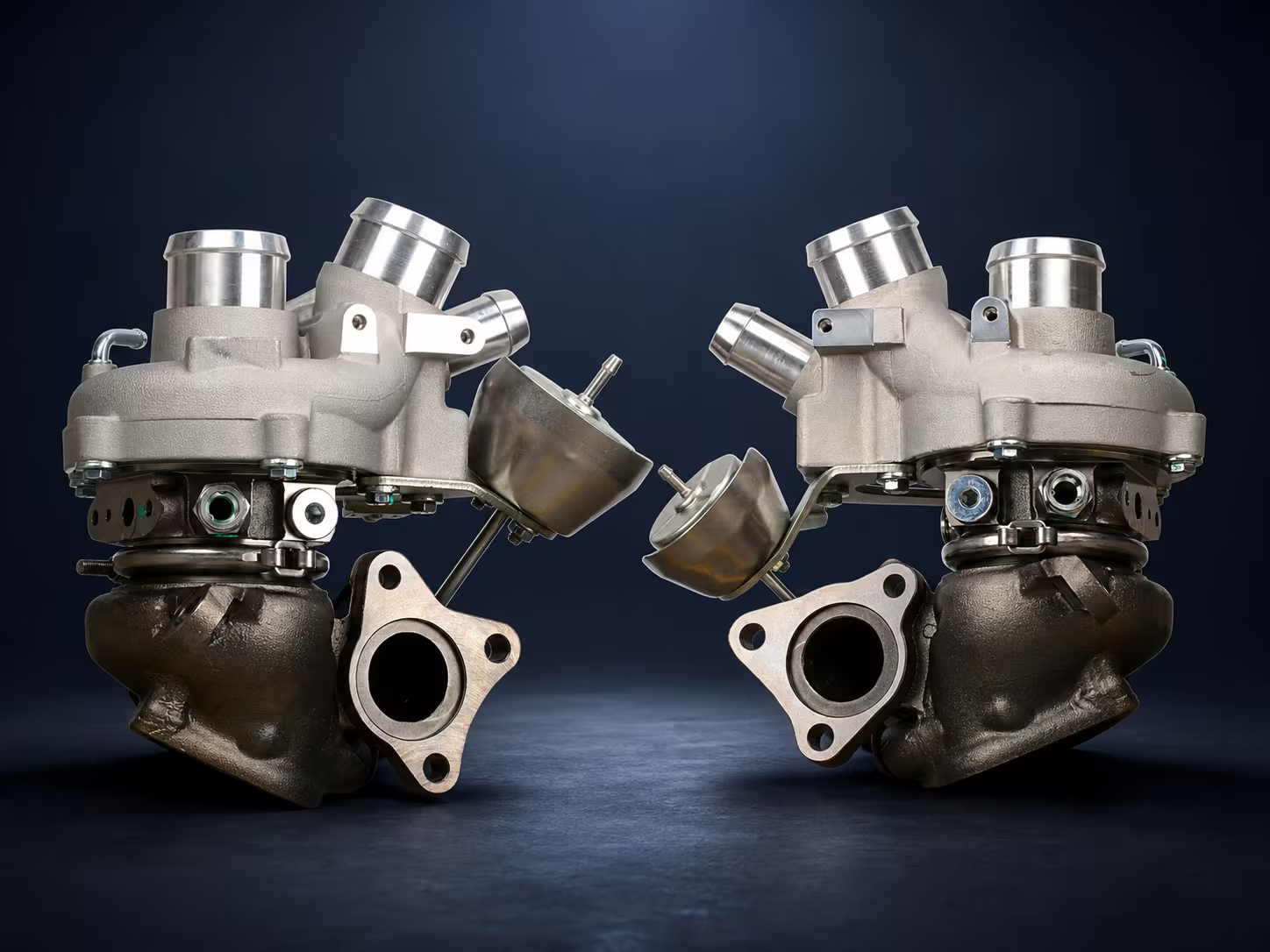
Compare inlet and outlet flanges, oil and coolant ports, actuator brackets, sensor provisions, compressor outlet orientation and turbine housing style.
Small interface differences can turn a visually similar turbo into the wrong part.
Buyer checklist
Turbo tag or OE number.
Engine model, year range and equipment or vehicle application.
Photos of every connection point.
Quantity, deadline and acceptable substitute rules.
A repeatable B2B fitment workflow
Fitment verification should move from identity to interface to operating context. First confirm the turbo number, OE reference or readable tag photo. Then compare the physical interfaces: turbine inlet, turbine outlet, compressor inlet, compressor outlet, oil feed, oil drain, water ports, actuator bracket and sensor positions. Finally confirm the engine application, emissions package and installation constraints.
This order matters because application data can be ambiguous. A truck, machine or engine family may have several turbocharger options. If the physical interfaces do not match, the application claim cannot rescue the quote. Conversely, if the reference and interfaces align, the application data helps confirm why the turbo belongs to that duty cycle.
OE reference comparison in practice
Create a simple comparison sheet for each quote. Column one is the customer's information: OE number, turbo number, engine model and photos. Column two is the proposed replacement. Column three records evidence: matching flange, matching actuator, matching ports, matching housing orientation and any exceptions. This prevents the quote from relying on memory or a single cross-reference line.
When the buyer has only an OE number, ask for photos before bulk quantity is confirmed. When the buyer has only photos, ask for the engine or machine information. When the buyer has both, verify that they point to the same replacement. The strongest fitment case is built from several independent signals, not from one number.
Common fitment errors
The most common error is confusing similar housings with different actuator or sensor provisions. Another is ignoring compressor outlet orientation, especially when the same center section can be assembled with different covers. Oil drain flange angle can also stop an otherwise similar turbo from fitting correctly. In hot-side hardware, turbine inlet pattern, V-band dimensions and wastegate layout often decide whether the part can be installed.
For repeat customers, keep approved photos and part numbers in the account history. Repeat orders become faster when the reference package is preserved. Without that history, the same uncertainty returns every time a buyer sends a short message such as 'same as last order.'
Fitment checklist before purchase order
Confirm turbo number, OE number or readable tag photo.
Compare inlet, outlet, oil feed, oil drain, water ports and actuator position.
Check whether the actuator is included, reused or separately calibrated.
Confirm engine model, production year, emissions package and market if available.
Attach photos and reference evidence to the quote before quantity is released.
Approval trail for repeat orders
After the first fitment is approved, keep the evidence package with the customer account: turbo tag, OE reference, application, photos, selected replacement and any acceptable substitute rule. Repeat orders should reference that package instead of relying on a short message or an old invoice line.
This is especially important for distributors ordering in batches. A documented approval trail reduces wrong picks when several similar turbochargers share the same broad engine family or housing appearance.
When a substitute is approved, define the substitute boundary. State whether actuator, bracket, sensor, gasket set or installation hardware must be transferred. Without this note, the next order may treat a conditional substitute as a direct drop-in replacement.
For large orders, approve one sample unit before releasing the full purchase order. The sample should be checked against the vehicle or machine interface, photographed from each connection side and recorded with the final accepted reference. This creates a practical control point before cartons are shipped internationally. If the customer accepts a small bracket or actuator transfer, write that condition directly on the quote.
Where the application has several emissions or actuator variants, require the VIN, engine code or machine serial number before treating a match as final.
Add the customer location and equipment duty cycle when heat shields, water lines or installation hardware may differ by market.
Common Questions
Can LeadTurbo verify a fitment from photos?
Photos help, but the best result combines photos with part number, OE reference and application data.
Why do two similar turbos have different prices?
Actuator, sensor, housing and configuration differences can change cost even when the broad turbo family is similar.