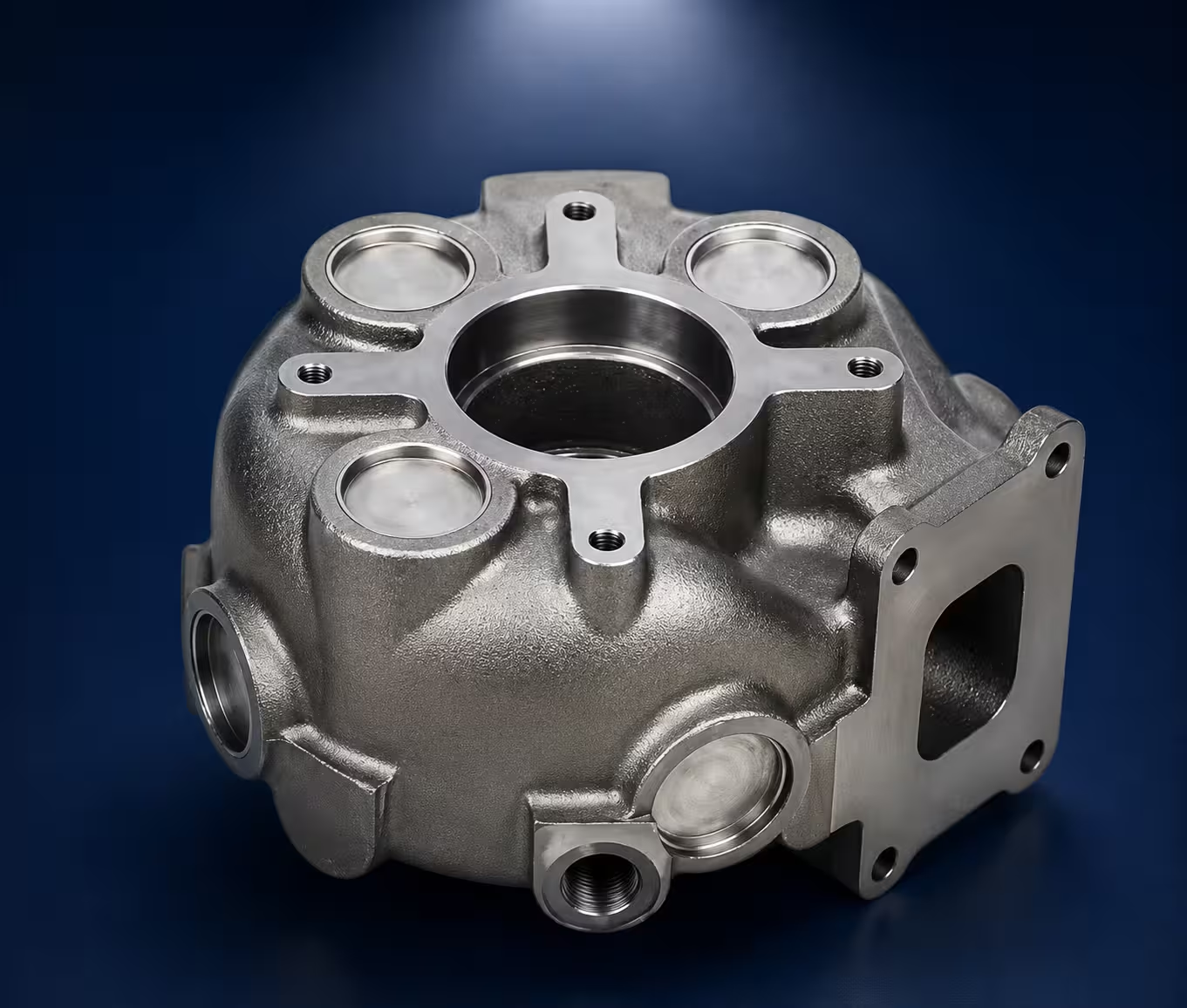
Installation checks protect the replacement unit
Many repeat turbocharger failures are not caused by the new unit. They are caused by conditions that damaged the previous turbo and were still present during installation. Before fitting a replacement, the installer should check oil supply, oil drain, air intake, charge pipes, exhaust path, actuator control and the reason the original turbo failed.
For B2B buyers, this checklist also protects the commercial record. If a customer orders several replacement units, the supplier needs to know whether the installation environment is controlled. A clean pre-installation record reduces wrong warranty claims and helps the buyer decide whether the order should include gaskets, oil lines, repair kits, CHRAs or complete turbochargers.
Oil feed, drain and priming
The oil feed line should be clean, unrestricted and appropriate for the turbo model. Contaminated feed lines can carry carbon, metal or old sludge directly into the new bearing system. If the previous turbo failed from oil starvation or bearing damage, reusing a dirty feed line can damage the replacement within minutes.
The oil drain is just as important. It must flow downhill without kinks, crushed sections, gasket intrusion, excess sealant or carbon blockage. A restricted drain can push oil through the center housing and make a good replacement look like it has seal failure. Before first start, prime the turbo with clean oil and crank or rotate according to the installer's normal procedure so the bearing system is not dry at startup.
Intake and compressor-side cleanliness
Foreign object damage often begins in the intake system. A broken filter, loose clamp, old hose fragment, failed compressor wheel piece or leftover debris can destroy the new compressor wheel. Inspect the air filter, intake pipe, compressor inlet, charge pipes and intercooler before installation. If the old compressor wheel broke, assume fragments may still be downstream until the path has been cleaned.
Oil in the intake should also be traced before blaming the turbo. Some oil may come from crankcase ventilation upstream of the compressor. If the breather system is pushing oil into the inlet, the new turbo can show the same symptom. Clean the charge-air path and document whether oil was present before fitting the replacement.
Exhaust, actuator and control checks
The turbine side needs the same attention. Exhaust manifold debris, broken upstream parts or loose gasket material can damage Turbine Wheels. Excessive exhaust restriction can increase temperature and pressure. If the turbo uses wastegate, VNT or electronic actuator control, confirm the actuator type, bracket, lever movement, connector and calibration requirement before final installation.
A replacement turbocharger can be physically correct and still fail the job if the actuator system is wrong. Vacuum leaks, stuck VNT mechanisms, incorrect electronic actuator transfer or boost-control faults can create overspeed, underboost or repeat fault codes. For quote support, send actuator photos and connector details when the control system is part of the concern.
First start and post-install evidence
After installation, check for oil pressure, leaks, abnormal noise, smoke and boost-control behavior before releasing the vehicle or machine. Letting the engine idle briefly can help confirm oil and air leaks, but operating procedure should follow the repair standard for that application. Avoid immediate heavy load until the basic checks are complete.
For fleets, rebuilders and distributors, record the installation evidence: old failure mode, replaced lines or gaskets, cleaned intake path, oil grade, first-start result and any fault codes. This information is useful if the customer later reports smoke, noise or low boost. It separates possible part issues from installation or engine-system issues.
Pre-installation checklist
Confirm why the previous turbo failed before fitting the replacement.
Inspect and clean oil feed, oil drain, gaskets and sealing surfaces.
Clean intake pipes, compressor inlet, charge pipes and intercooler where debris may remain.
Check exhaust path, manifold debris, actuator movement and control connections.
Prime the turbo with clean oil and record first-start leak, noise and smoke checks.
Common Questions
Should oil lines be replaced before installing a turbo?
They should at least be inspected and cleaned. Replace them when they are restricted, contaminated, damaged or suspected in the original failure.
Why does a new turbo fail quickly after installation?
Common causes include oil starvation, restricted drain, intake debris, exhaust debris, actuator faults or an uncorrected engine problem.