Confirm where the oil appears
Oil can appear on the compressor side, turbine side, external oil lines or nearby intake and exhaust connections. The location changes the likely cause.
Before replacing parts, clean the area and confirm whether the leak returns under the same operating conditions.
System conditions that mimic turbo failure
Restricted oil drain, excessive crankcase pressure, blocked breather systems and incorrect oil feed pressure can push oil through the turbo even when the center section is not the original cause.
If the same application repeatedly leaks after replacement, the installation environment should be checked before another turbo is fitted.
Inspection points
Oil drain angle, restriction and gasket condition.
Crankcase ventilation and breather condition.
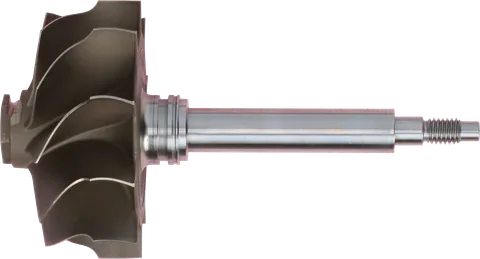
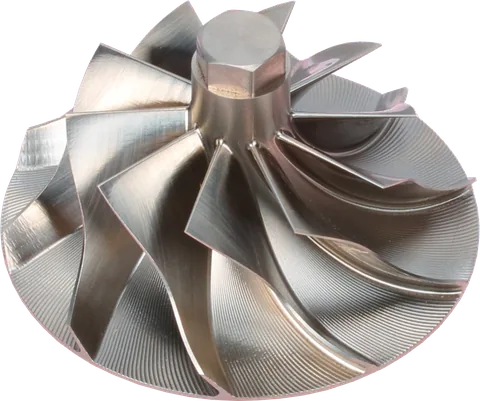
Compressor wheel contact or shaft play.
Correct gasket, oil feed and return line installation.
A step-by-step oil leak diagnosis sequence
Do not start by blaming the turbo seal. Turbochargers use dynamic sealing and rely on correct pressure balance, oil drainage and bearing condition. Oil can appear in the compressor cover or turbine outlet when the center housing is overloaded by external conditions. The first step is to clean the area, run the engine under the same condition and identify whether the oil returns externally, on the compressor side, on the turbine side or through the charge-air system.
Next, check the oil drain. The drain must flow downhill with enough bore area and without kinks, carbon blockage, excess sealant or gasket intrusion. A restricted drain allows oil to pool in the center housing, where pressure can push it past the seal area. This is especially common after rebuilds where an old drain line is reused without inspection.
System issues that look like turbo failure
Excess crankcase pressure is a major cause of repeat oil symptoms. A blocked breather, worn engine, overfilled oil level or restricted ventilation path can raise pressure and reduce the turbo's ability to drain. If a new turbo leaks quickly after installation, measuring crankcase pressure and checking the breather system is often more useful than replacing the turbo again.
Oil feed problems can also mislead the diagnosis. Too much oil pressure, wrong restrictor arrangement or contaminated oil can damage the bearing system. Too little feed can create heat, bearing wear and shaft movement that later causes sealing symptoms. The feed and drain need to be considered together rather than treated as separate issues.
Reading the oil location
Oil in the compressor inlet may come from the crankcase ventilation system upstream of the turbo, not from the turbo itself. Oil in the compressor outlet can indicate drain restriction, pressure imbalance or bearing wear, but the intake path should still be checked. Oil on the turbine side may be related to drain restriction, long idle periods, excessive exhaust back pressure or center-housing pressure.
External oil around fittings often points to gasket, banjo, line or installation errors. Before ordering a CHRA or repair kit, confirm whether the leak is truly internal. Many unnecessary turbo replacements start from a wet exterior line that was never pressure-cleaned and rechecked.
Inspection sequence before replacing parts
Clean the turbo and nearby lines, then reproduce the operating condition.
Check oil drain angle, bore, gasket alignment and carbon blockage.
Inspect crankcase ventilation and confirm oil level is not overfilled.
Check compressor inlet for upstream oil from the breather system.
Measure shaft play and look for compressor or turbine wheel contact.
Replace the turbo only after the external cause has been ruled out or corrected.
Evidence to keep before the replacement decision
Before replacing parts, keep photos of the cleaned turbo, oil feed, oil drain, compressor inlet, compressor outlet and breather connection. Record oil level, crankcase ventilation condition and whether the symptom appears at idle, under load or after shutdown. These details make the diagnosis repeatable.
If the turbo is replaced without this evidence, a repeat leak becomes difficult to resolve. The next supplier or technician will not know whether the original drain, breather or external line problem was corrected.
For warranty review, separate an external wet fitting from oil passing through the compressor or turbine side. The photos should show the first wet point, not only the final oil trail after airflow or road movement has spread it.
If the diagnosis remains unclear, correct the drain and breather conditions before fitting another unit. Record the correction on the job sheet.
For fleet work, add engine hours, oil grade, service interval and recent crankcase repairs to the record.
Common Questions
Does oil in the compressor housing always mean bad turbo seals?
No. Drain restriction or crankcase pressure can force oil through a turbo that is otherwise serviceable.
Should the oil lines be changed with a turbo?
Oil feed and drain lines should at least be inspected and cleaned; damaged or restricted lines should be replaced.