Define the rebuild scope first
A minor kit normally covers sealing hardware. A major kit adds bearing-system parts. An overhaul kit can include a broader set of small hardware depending on the turbo family.
The right kit depends on what failed and what will be reused.
Match the physical layout
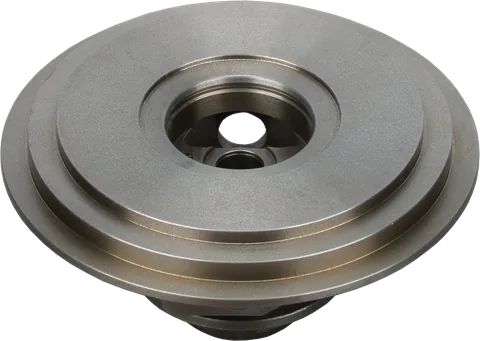
Similar turbo models can use different thrust bearings, journal bearings, piston rings, back plates and seal plates. The parts removed from the unit should be compared against the kit contents.
Photos of the old components often prevent confusion when two kits share a similar name.
Before buying in quantity
Turbo model or OE number.
Minor, major or overhaul kit requirement.
Bearing, thrust and seal plate photos.
Expected monthly rebuild volume or target MOQ.
Minor, major and overhaul kits are not universal
Repair kit names are convenient but not standardized across every supplier. A minor kit may include piston rings, O-rings, snap rings and small sealing parts. A major kit typically adds journal bearings, thrust components and more hardware. An overhaul kit may include a wider package, but the exact content still depends on turbo family and supplier convention. Buyers should compare the bill of contents rather than rely only on the kit label.
The same broad turbo family can use different thrust bearing styles, bearing widths, piston-ring diameters, seal plate geometry or fastener sets. A kit that looks close on a listing can still leave the rebuilder short of one critical ring or bearing. For B2B orders, the safest route is to confirm the turbo number and compare removed parts against the proposed kit contents before quantity is locked.
Match the failure mode to the kit scope
A kit cannot correct damaged wheels, cracked housings, bent shafts or worn bearing bores. If the turbo failed from contaminated oil and the shaft journals are scored, bearings and seals alone will not restore a reliable rotating assembly. If the thrust system failed, the thrust collar, thrust bearing and related oil-control parts should be evaluated as a group.
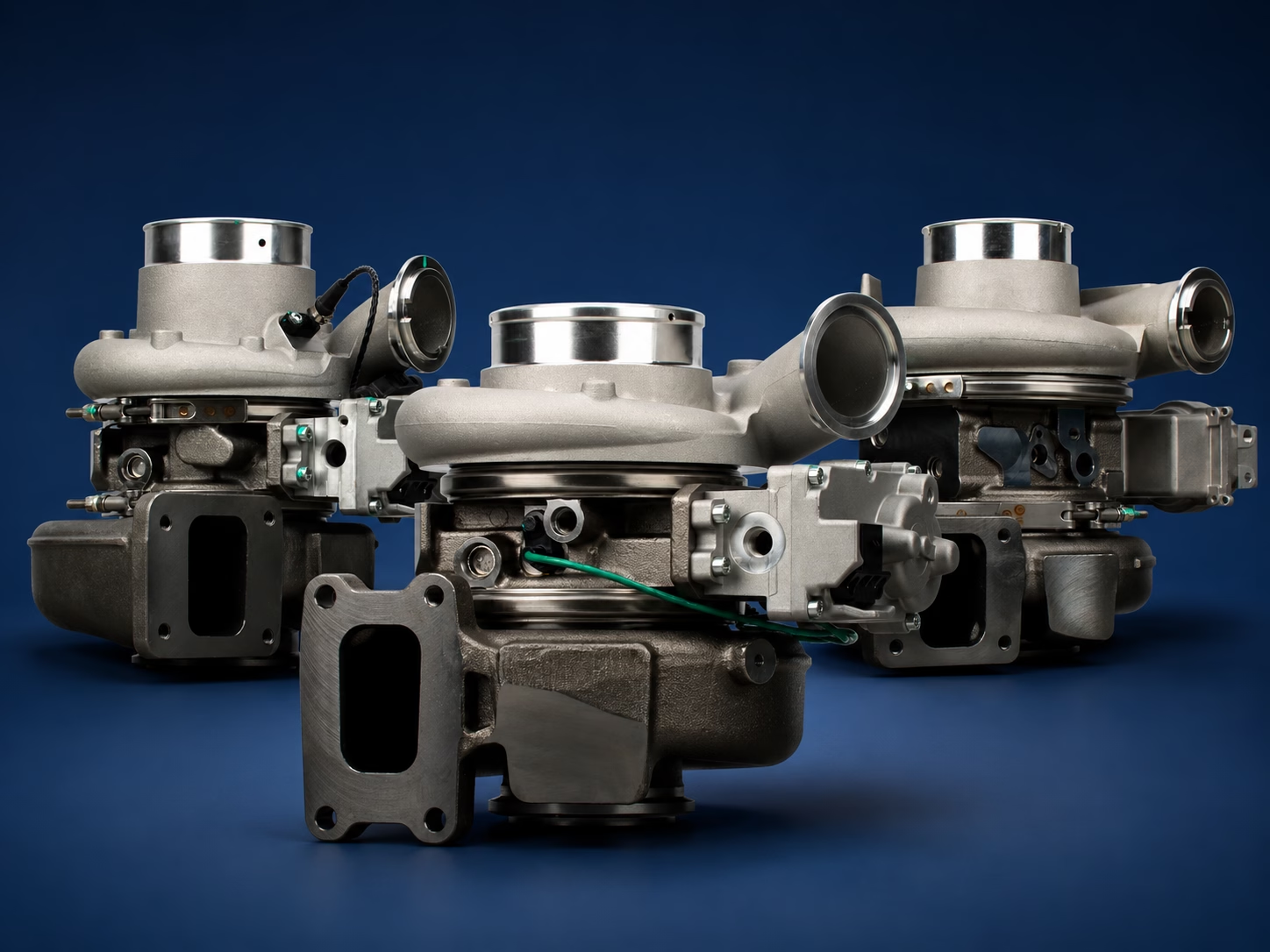
If the compressor wheel or turbine wheel touched the housing, the rebuild scope may move beyond a simple repair kit. At that point the buyer may need a CHRA, Turbine Wheels, compressor wheel or complete turbocharger. Treat the kit as one part of the repair path, not as a universal fix.
Procurement checks for repeat rebuild programs
For remanufacturers, consistency matters more than buying the cheapest kit. A rebuild line needs predictable bearing material, ring fit, thrust thickness, snap-ring quality and packaging discipline. Small deviations create assembly delays and can affect final balance. If several turbo families are rebuilt in the same shop, kit labeling and storage should prevent mixing visually similar rings and bearings.
Sample inspection is useful before bulk purchase. Open one kit, compare every component to the removed hardware, check ring tension and bearing fit, and record any difference. Once the sample is approved, keep the approved kit code tied to the turbo number so repeat orders do not restart the identification process.
Kit ordering checklist
Confirm the turbo number, CHRA number or original sample before ordering.
Compare journal bearing, thrust bearing, thrust collar and piston ring dimensions.
Decide whether the repair requires seals only, a major kit, CHRA or complete unit.
Check whether water-cooled, VNT or special actuator versions need additional hardware.
For bulk orders, approve a sample kit before releasing quantity.
Acceptance criteria for kit supply
For repeat kit purchasing, define what an acceptable kit looks like before bulk release. The package should have clear labeling, consistent ring and bearing dimensions, clean packaging and a contents list that matches the approved sample. If similar kits are stored together, the internal code should prevent mixing parts across turbo families.
The receiving team should inspect the first shipment against the approved sample. Small differences in thrust parts, piston rings or snap rings can stop a rebuild line even when the kit name appears correct.
A useful receiving check is to lay out the kit in rebuild order: bearing system, thrust system, sealing system and retaining hardware. Missing or duplicated parts are easier to catch before the technician has already disassembled the turbo.
For volume orders, keep one approved kit unopened as the warehouse reference sample. Use it to train receiving staff, verify replenishment shipments and resolve disputes when packaging or supplier labels change.
Add shelf location, lot number and approved turbo reference to the label so older stock is not confused with a visually similar service kit.
Common Questions
What is the difference between a minor and major turbo repair kit?
A minor kit usually focuses on seals and small hardware; a major kit typically adds bearing-system parts.
Can I choose a kit by turbo model only?
Use the model as a start, but compare bearing and seal layout before confirming quantity.