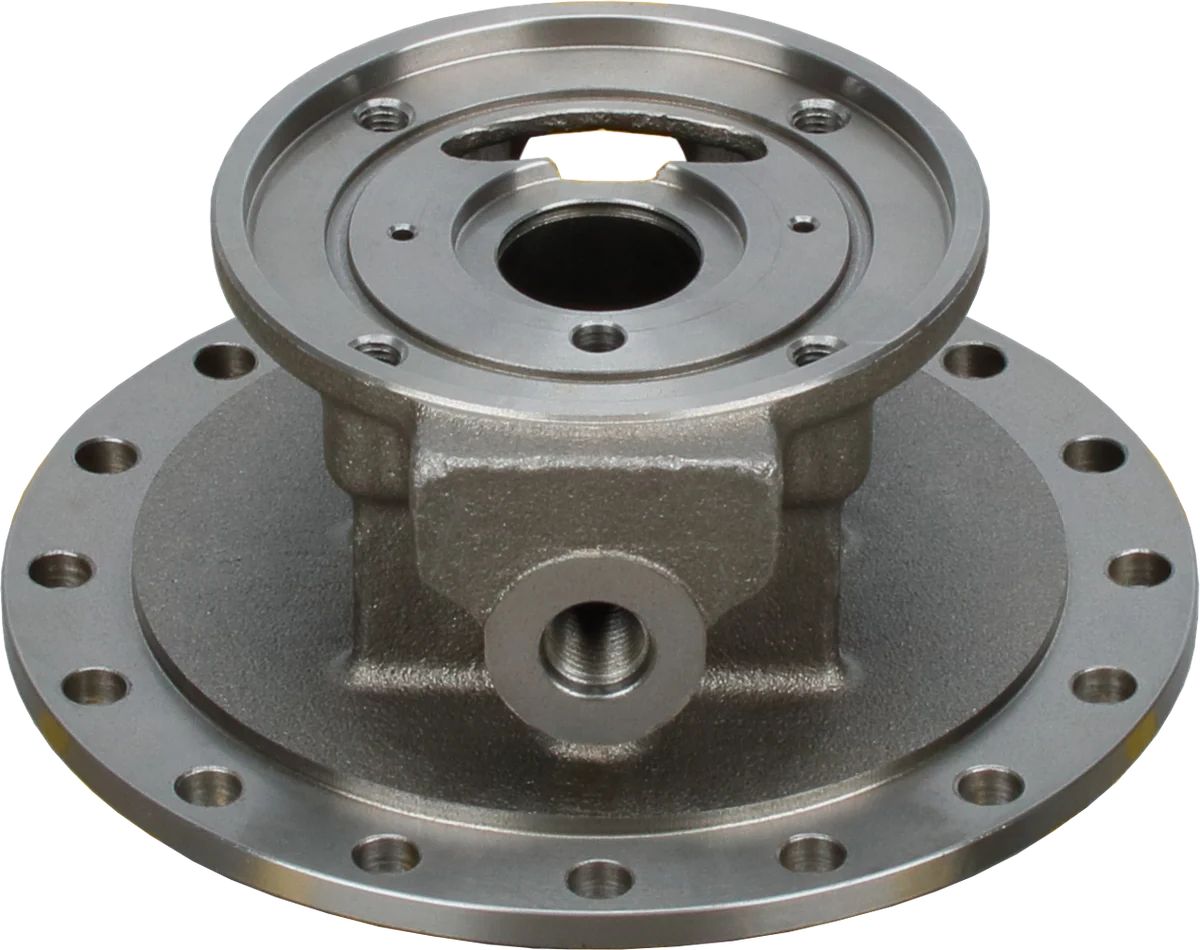
When a new turbo fails quickly, inspect the lubrication system before fitting another unit. A full dipstick and an extinguished oil pressure light do not prove that enough oil reaches the turbo bearings.
For an owner after an oil pressure event, the priority is to stop further damage. For a mechanic diagnosing diesel turbocharger oil starvation, it is to establish what happened at the turbo oil inlet and inside the bearing housing.
How Does Oil Starvation Damage a Turbocharger?
In a journal-bearing turbocharger, the spinning shaft draws oil into a load-supporting film between moving surfaces. The engine’s oil system replenishes that oil and carries heat away. Oil also lubricates the thrust bearing, which controls axial movement.
A floating-ring design uses oil films on both sides of the bearing ring. See how floating-ring bearings work for the arrangement.
The Stribeck curve describes how friction changes as lubrication conditions change. For practical diagnosis, think of three operating conditions:
- Full-film lubrication: Oil separates the moving surfaces. Friction mainly comes from shearing the oil.
- Mixed lubrication: The film no longer completely separates the surfaces. Microscopic high spots touch and carry part of the load.
- Boundary lubrication: Surface contact becomes dominant. Thin protective layers and oil additives provide limited protection, but sustained contact can cause severe wear.
These conditions depend on viscosity, speed, load, and surface condition. Oil starvation removes the supply needed to maintain a healthy film, even when shaft speed is high.
As the film collapses, contact produces friction heat. Bearing material can smear onto the shaft, while debris scores the running surfaces. Heat changes local clearances and oil behavior, accelerating damage. Eventually, the rotor may seize.
Ball-bearing turbochargers also require the correct oil supply, although their lubrication requirements and failure patterns differ. Never transfer feed restrictions or installation assumptions from one bearing design to another.
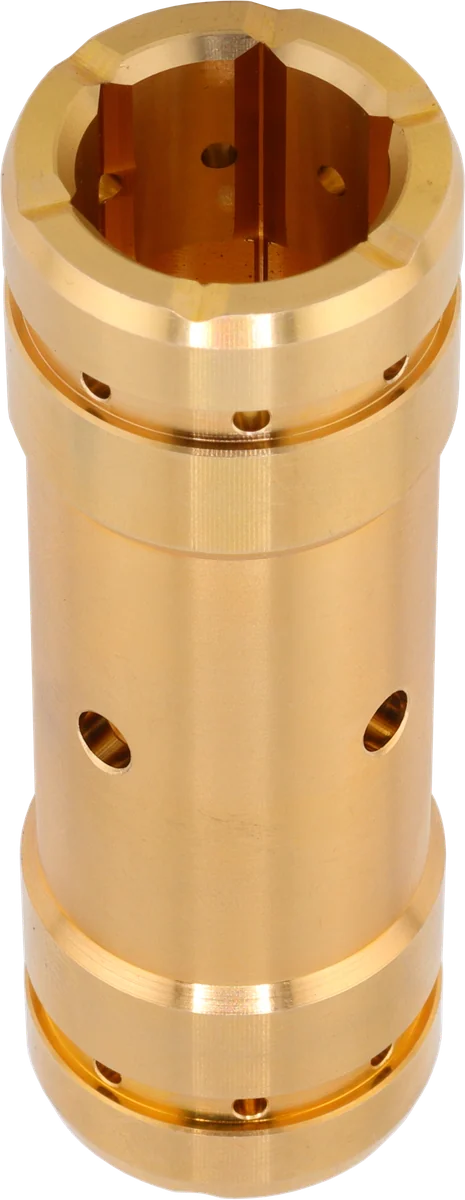
Bearing bore: the inner oil film supports the shaft.
Oil passages: keep the lubrication path clear.
Outer bearing surface: inspect the fit and condition.
Product photograph from 2026. Numbers identify the features explained below.
Turbocharger Oil Starvation Symptoms: What You Can—and Cannot—Diagnose
Possible symptoms include:
- A new whine, scraping sound, or rough mechanical noise.
- Reduced boost or slower boost response.
- Smoke associated with secondary bearing and oil-control damage.
- Increased shaft movement or wheel contact with a housing.
- A rotor that feels rough, binds, or will not turn during an engine-off inspection.
None proves oil starvation by itself. Boost leaks, foreign-object damage, contamination, and other bearing failures can produce overlapping symptoms. Use a broader failed turbocharger diagnosis before assigning a cause.
If the oil pressure warning appears while running, stop safely and shut the engine off. Do not restart repeatedly to listen for changes. Correcting the oil level does not establish that the turbo—or the engine bearings—escaped damage.
Inspect only with the engine off and components cool. Do not force a binding rotor or spin it with compressed air.
Common Causes of Turbo Oil Starvation
Blocked or kinked oil feed line
A feed pipe can look sound externally while deposits restrict its bore. Flexible sections may deteriorate internally, and a bent pipe can become pinched during installation. Incorrect routing can expose the line to excessive heat or mechanical strain.
With the turbo oil feed line blocked, the turbo can be starved even when the engine’s main oil gallery has pressure. Banjo bolts, small inlet passages, and fitted filter screens also need attention.
Sealant, wrong gaskets, and incorrect fittings
Excess liquid sealant can enter an oil passage. A gasket with the wrong opening, a misplaced sealing component, or an incorrect banjo bolt can restrict delivery.
Use the specified gaskets, washers, fittings, and tightening procedure. Do not add sealant to oil connections unless the applicable instructions explicitly require it. Preserve any specified restrictor; removing it is not a general cure for lubrication trouble.
Sludge and contamination
Sludge can obstruct the pickup, feed passages, or small screens. Hard deposits inside a hot feed pipe may resist casual flushing.
Contamination can also scratch bearings before a major restriction develops. Oil starvation and dirty-oil damage may therefore coexist. Finding debris means tracing its source and addressing the affected oil circuit.
Low oil level and engine oil system faults
Low oil level can allow the pickup to draw air, interrupting supply. Pickup restrictions or leaks, pump faults, pressure-regulation problems, and excessive internal engine leakage can also reduce delivery.
Measure pressure using the engine manufacturer’s specified conditions and limits. Replacing the pump without checking the rest of the system may leave the actual fault unresolved.
Failure to prime a replacement turbo
A replacement bearing housing and newly installed feed line may contain little oil. Starting immediately can accelerate the rotor before dependable lubrication reaches its bearings.
Priming establishes initial lubrication; it does not compensate for a restricted feed line or an engine with inadequate oil pressure.
Long cranking after an oil change
Long cranking is a concern when oil pressure is not being established. After service, investigate incorrect filter installation, housing or seal problems, drainback, or loss of pump prime where relevant to the engine design.
Cranking itself does not automatically mean the turbo is being starved. Controlled cranking with starting disabled may be part of the specified priming procedure. The dangerous assumption is that continued cranking—or raising engine speed after startup—will fix unexplained lack of pressure.
Telltale Teardown Signs
Document the turbo, oil connections, and removed parts before cleaning them. If a warranty assessment is pending, check the supplier’s requirements before disassembly.
| Finding | What it can indicate | Diagnostic limitation |
|---|---|---|
| Discolored or blued shaft journals | Significant local heating at bearing surfaces | Heat discoloration alone does not identify the original supply fault |
| Smeared or transferred bearing material | Adhesive wear after inadequate surface separation | Poor lubrication may involve starvation, unsuitable oil condition, or both |
| Scored journals and bearing bores | Contact damage or abrasive particles | Scoring alone cannot separate dirty oil from inadequate oil delivery |
| Seized rotor | Advanced bearing damage or mechanical interference | Wheel contact and foreign objects can also prevent rotation |
| Carbon deposits in oil passages | Heat-related deposits capable of restricting flow | Deposits may be a cause, a consequence, or both |
The strongest diagnosis combines internal damage with evidence from the oil system: a restricted pipe, obstructed fitting, incorrect gasket, or measured supply problem.
A shaft that still turns is not necessarily serviceable. Conversely, some movement in a stationary journal-bearing turbo requires design-specific interpretation. Consult turbo shaft play guidance and the applicable inspection limits.
Find the Supply Fault Before Installing Another Turbo
Work through the complete route from the engine oil supply to the turbo:
- Verify oil level, specified oil grade, filter suitability, and service history.
- Review whether symptoms followed an oil change, pressure warning, engine repair, or turbo installation.
- Inspect the feed line, fittings, gasket openings, and any specified screens or restrictors.
- Test engine oil pressure under the prescribed conditions.
- Verify turbo inlet supply using the approved pressure or flow test where specified.
- Inspect the drain and crankcase ventilation for additional oil-control problems.
- Check for engine damage or contamination that could compromise the replacement.
Oil appearing from a disconnected pipe does not prove adequate delivery under operating conditions. Likewise, normal pressure measured upstream does not rule out a downstream restriction. Use the specified test method and limits.
A blocked drain more commonly causes oil backup and leakage than feed starvation, but it still needs correction. The turbo oil leak guide explains that separate diagnostic path.
Prevention Checklist: How to Prime a Replacement Turbocharger
Before installation:
- Correct the original cause. Resolve low pressure, sludge, contamination, or installation errors first.
- Replace a suspect feed line. Follow mandatory replacement instructions. After a starvation failure, do not rely on blowing air through an old line to certify it.
- Service banjo filters correctly. Replace specified serviceable screens or filtered bolts as directed. Do not remove filters as a shortcut unless the applicable service procedure calls for it.
- Fit correct sealing parts. Confirm passage alignment and keep debris out of open connections.
- Check the oil return. Ensure the drain is unobstructed and correctly routed.
- Use specified oil and filtration. Address contamination before exposing the replacement turbo to the system.
For startup, follow the exact engine and turbo supplier procedure. A typical turbo priming sequence is:
- Fill the engine to the correct level with the specified oil. Prepare the oil filter according to the engine’s service instructions.
- Before connecting the feed line, add clean specified oil through the turbo oil inlet as instructed.
- Gently rotate the rotor by hand, where permitted, to distribute oil. Do not force it or use powered tools.
- Install the feed connection with the correct seals and tightening specification.
- Disable engine starting using the approved method. Establish lubrication through the prescribed cranking or pressure-prelubrication procedure, observing starter duty limits.
- Confirm oil supply as required. If pressure does not establish within the specified procedure, stop and investigate.
- Restore starting capability, start without revving, and check oil pressure and leaks. Complete the instructed initial idle period before applying load.
There is no universal cranking time or priming quantity suitable for every turbocharged engine. Pre-filling the bearing housing and verifying engine supply serve different purposes; one does not replace the other.
Use the replacement turbo installation checklist to cover the surrounding intake, exhaust, and lubrication checks.
Common Questions
Can turbo oil starvation happen without an oil pressure warning?
Yes. A restriction in the turbo feed line can reduce local oil delivery while pressure elsewhere in the engine remains sufficient to keep the warning light off. Check supply at the turbo using the specified test procedure.
Will restoring oil pressure save a damaged turbo?
Restoring supply prevents further oil starvation, but it cannot repair scored journals, smeared bearings, or wheel contact damage. A turbo showing these signs needs professional assessment before reuse.
Does a new turbo need priming?
Follow the turbo supplier’s installation instructions. Priming commonly includes adding specified clean oil through the inlet, gently turning the rotor by hand, and establishing engine oil supply before allowing the engine to start.
Should I replace the turbo oil feed line?
Replace it when required by the installation instructions or when restriction, coking, contamination, or damage is suspected. After an oil starvation failure, reusing an unverified feed line risks damaging the replacement.
Can a repair kit fix a seized turbo bearing?
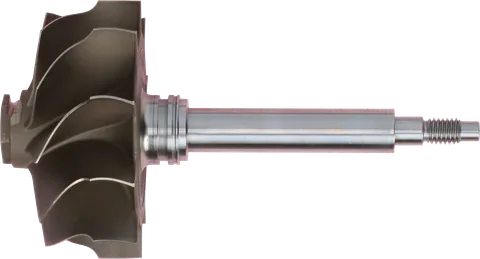
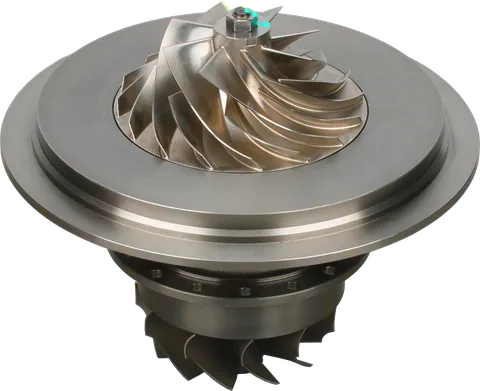
A repair kit alone is insufficient if the shaft, bearing housing, or wheels are damaged. Teardown, dimensional inspection, and appropriate balancing determine whether rebuilding is viable or a CHRA or complete turbo is needed.
Is oil whirl the same as oil starvation?
No. Oil whirl is a rotor vibration associated with fluid forces in the bearing oil film. Oil starvation means inadequate oil delivery. Noise alone cannot distinguish them or prove either condition.
Oil starvation vs contamination: what's the difference?
Oil starvation means too little oil reaches the turbo bearings; contamination means the oil contains material that can scratch them. Both can occur together when sludge or deposits restrict oil passages. Scoring alone cannot tell them apart, so inspect the oil supply and trace the source of any debris.
Should I replace an oil-starved turbocharger?
Replacement depends on the damage and whether rebuilding is viable. Teardown, dimensional inspection, and appropriate balancing determine whether replacement is needed. Restoring oil supply cannot repair scored journals, smeared bearings, or wheel contact damage, so get a professional assessment before reuse. Correct and verify the oil supply fault before installing another turbo.
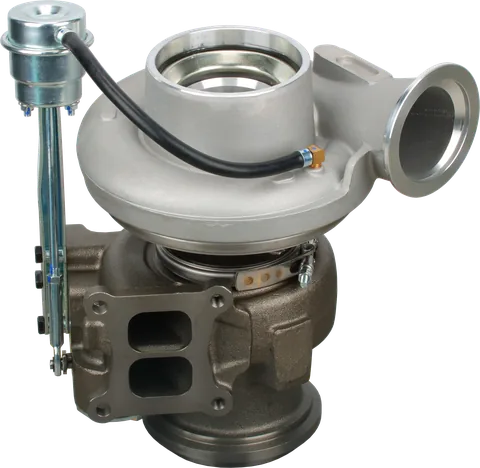
For help identifying a replacement after turbo oil starvation, contact LeadTurbo with your turbo part number, vehicle details, and symptoms.