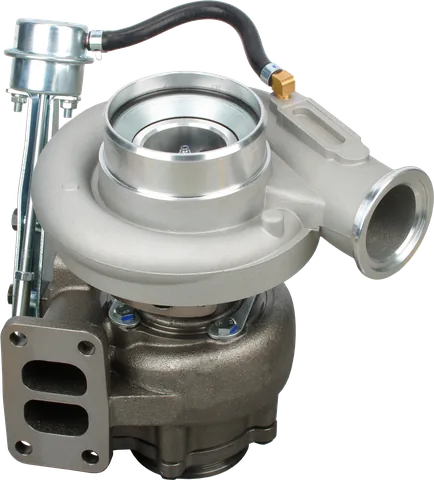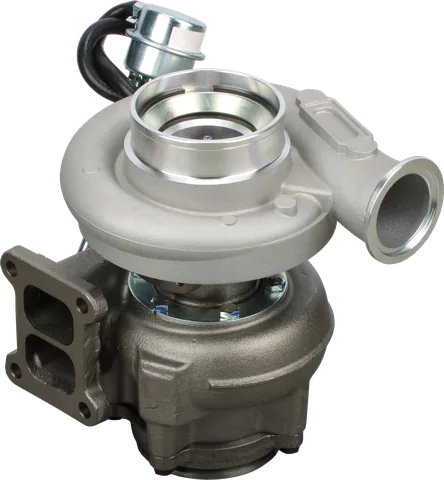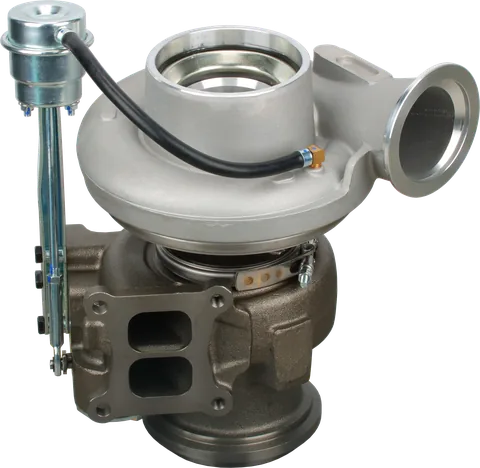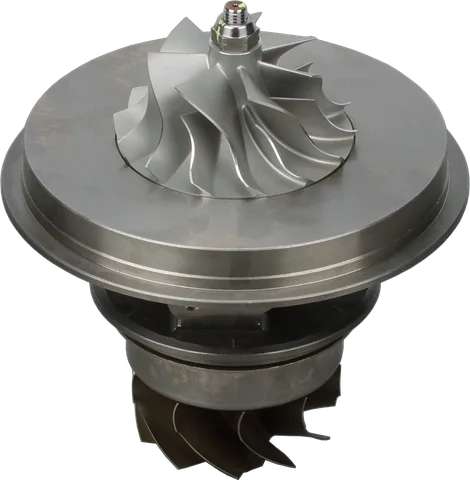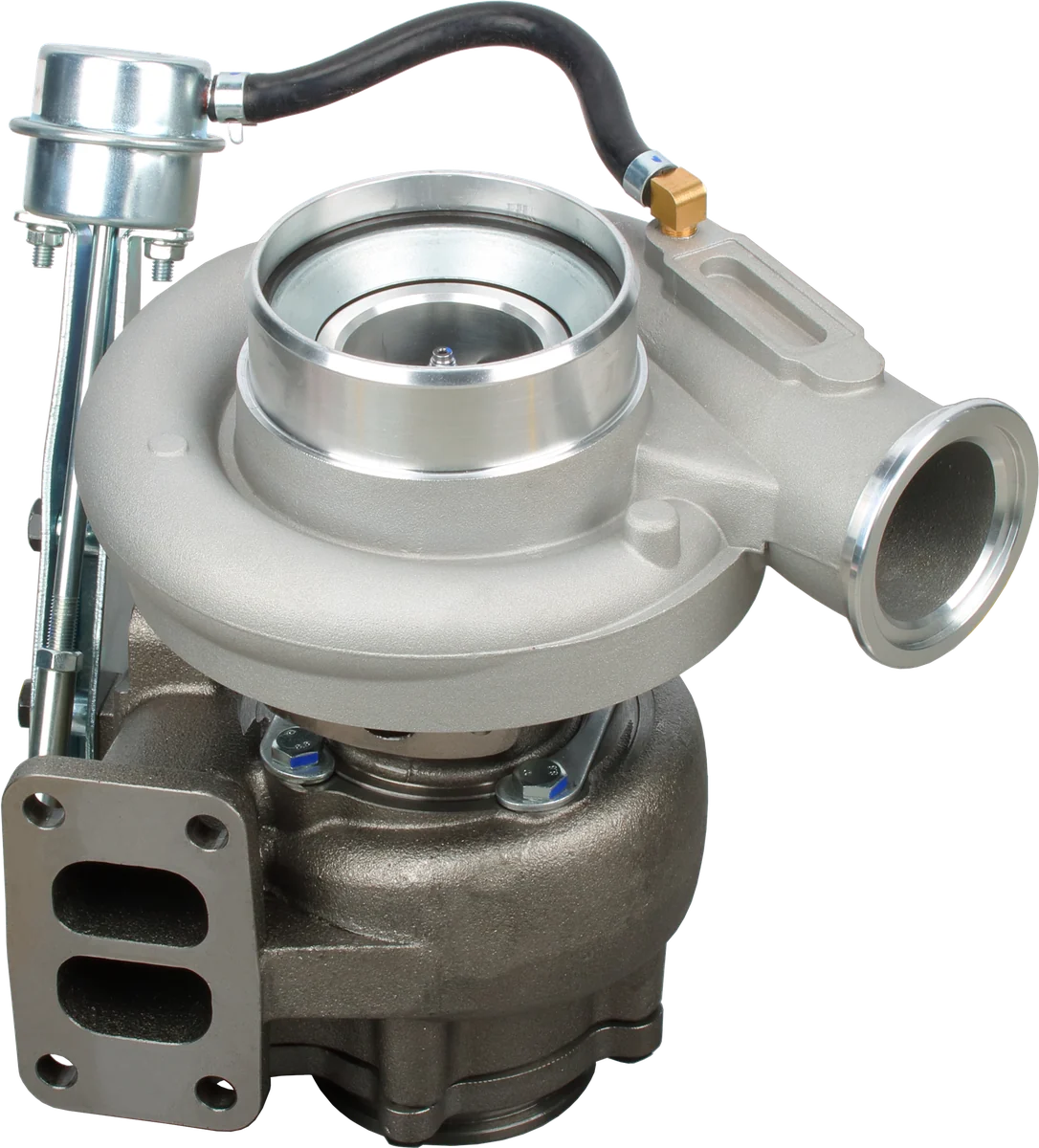
The practical answer to HX35W vs HX40W is that the HX40W generally belongs to a larger airflow-capacity class, but neither model name identifies one universal assembly. Housing geometry, wheels, connections, and control settings determine whether a particular turbocharger suits an engine.
For HX35W or HX40W diesel turbocharger replacement work, start with the data plate and engine information. A turbocharger that bolts onto the manifold can still have unsuitable airflow characteristics, incompatible plumbing, or incorrect boost control.
Engine context: one family can use many turbos
The catalog spans several diesel engine families and applications, rather than one standardized installation. Cummins B-series applications are prominent, including 6BT, 6BTA, 6BTAA, QSB, and ISB listings. The familiar Cummins 6BT is a 5.9-liter inline-six diesel; that fact does not establish compatibility across the broader catalog.
Other entries cover Cummins ISLE Engines, IVECO Trucks, and Volvo applications. These listings illustrate why identifying a turbo simply as “the Cummins unit” or “the truck turbo” is inadequate.
Turbo condition matters because a working diesel needs sufficient air to burn its commanded fuel effectively. Restricted airflow, charge-air leaks, or a damaged rotating assembly can reduce pulling power and increase smoke. Depending on fueling and operating conditions, inadequate air can also increase exhaust temperature. Bearing damage or oil leakage can turn a turbo problem into an engine problem.
HX35W vs HX40W: what actually differs?
To understand HX35W vs HX40W turbocharger differences, compare complete, application-specific assemblies. A larger compressor can offer greater airflow potential, but it does not automatically improve a working engine. Turbine sizing, exhaust energy, and engine demand determine response and operating efficiency.
Several details matter:
- Turbine housing size: Housing geometry affects exhaust restriction and turbine response. A/R describes passage area relative to its radius; some housings use other size markings. Do not treat unlike markings as directly equivalent.
- Compressor and turbine dimensions: Wheel diameter, blade design, and trim influence flow capacity and operating range. Trim describes a wheel diameter relationship, not a universal performance rating.
- Boost control: Wastegated designs bypass exhaust around the turbine. Free-floating designs have no wastegate, while variable-geometry designs change the turbine inlet geometry. These arrangements require different matching and controls.
- Connections and mounting: Manifold flange, exhaust outlet, compressor inlet and outlet, housing orientation, oil fittings, and any coolant connections must match the installation.
HX35W and HX40W are wastegated model families. However, the catalog also includes HX35, HX40, HY35W, HE351CW, HE351W, and HE300VG entries. Do not extend assumptions about one assembly to another based on a similar name. Confirm the actual control hardware and specifications.
A different housing or wheel combination can change response even within the same model family. Likewise, turning a housing to align piping does not resolve incompatible flanges, wheel clearances, or actuator geometry.
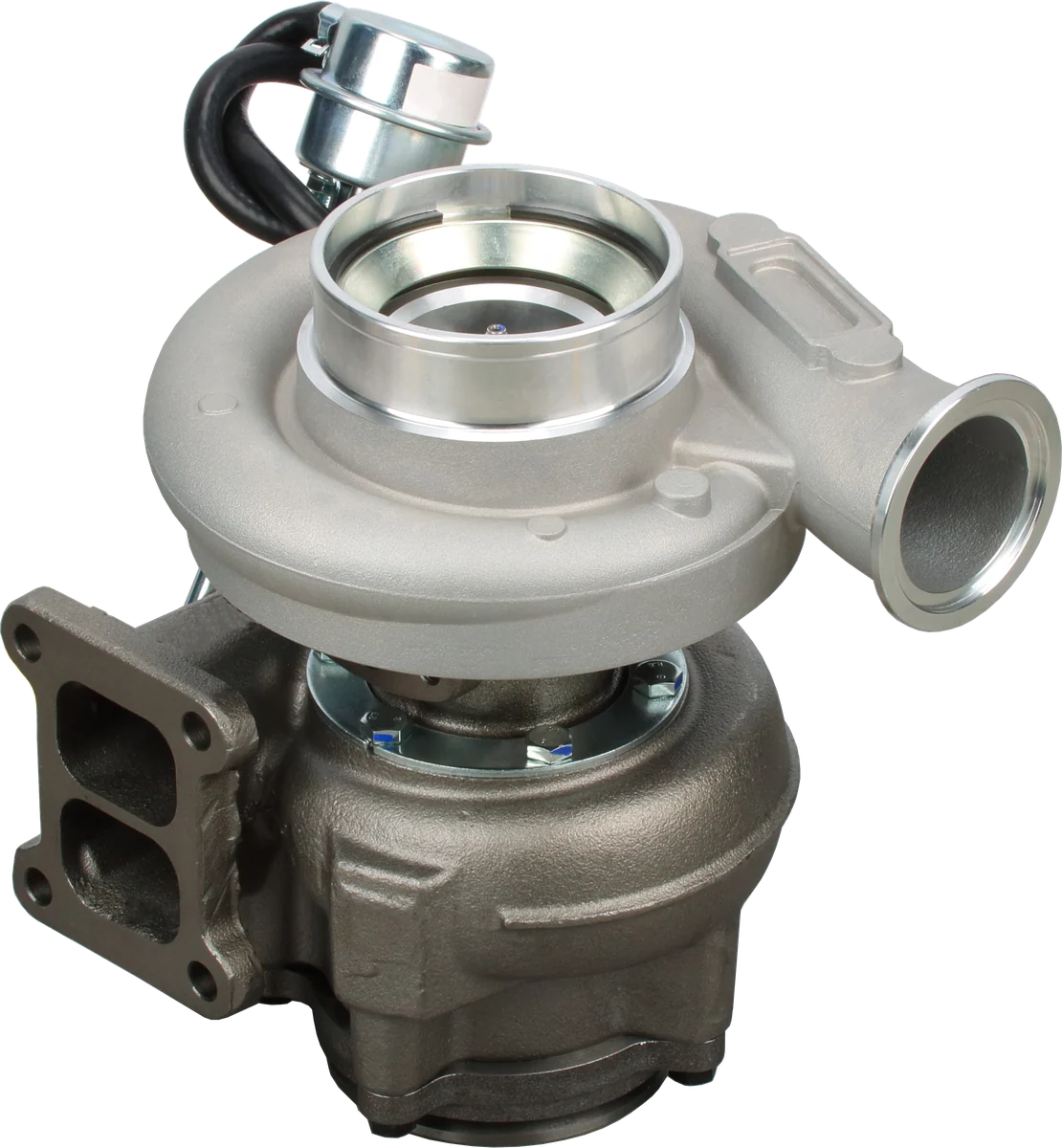
Compressor housing: guides the compressed air.
Turbine housing: guides exhaust gas to the turbine.
Actuator: check its type, linkage and calibration.
Product photograph from 2026. Numbers identify the features explained below.
How to identify an HX35W turbocharger: read the plate first
For Holset HX35 identification and related models, look for the data plate or identification marking on the compressor housing. Visibility and placement vary; installed piping may obscure it. Clean the area gently so the lettering remains readable.
Photograph the entire plate and record:
- The turbo model.
- The complete turbo assembly or part number, including suffixes.
- Any customer or OE part number shown.
- The serial number.
The model identifies a turbo family. The assembly number identifies a more specific configuration. An OE part number is an equipment manufacturer's reference and may differ from the turbo manufacturer's number. The serial number identifies the individual unit.
Catalog part numbers are lookup references; do not assume every listed number is an OE number. Cross-reference the actual plate information and engine details before ordering.
Casting numbers on a housing are useful supporting evidence, but they may identify a component shared by multiple assemblies. If the plate is missing, collect photos of both housings, the actuator, manifold flange, exhaust outlet, and oil connections. A previously rebuilt turbo may contain mixed components, making physical inspection especially important.
Representative catalog examples: verify against the data plate
These are examples from LeadTurbo's catalog, with applications reproduced as listed. They are identification starting points, not an interchangeability chart. Confirm the data-plate number or OE part number and the required product type before ordering.
| Part number | Turbo model | Product type | Application |
|---|---|---|---|
| 2837686 T | HX35W | Complete turbocharger | Cummins QSB Tier 3 |
| 3532042 | HX35W | Complete turbocharger | Cummins 6BTAA 210PS |
| 2834174 | HX40W | Complete turbocharger | Cummins ISLE Engines |
| 20440366 | HX40W | Complete turbocharger | Volvo D7 Euro 3 |
| 3533000 | HX40 | Complete turbocharger | Cummins 6CTAA |
| 2882132 | HX35 | Complete turbocharger | Cummins 6BT |
| 3592811 | HY35W | Complete turbocharger | Dodge Ram Cummins 6BTA |
| 4036836 M | HE351CW | Complete turbocharger | Cummins ISB5.9 |
| 4043980 | HE351W | Complete turbocharger | Cummins ISDE6 Trucks |
| 3770973 | HE300VG | Complete turbocharger | DAF Cummins ISB |
| 4032738 | HE351W | CHRA/cartridge | Cummins ISDE6 Trucks |
| 4042138 | HE351CW | Turbine housing | Cummins ISB5.9 325HP |
The catalog also uses 4043980 for an HE351W CHRA/cartridge entry with the application “CUMMINS ISDE6.” This makes product type essential: a matching reference number alone does not tell you whether the listing supplies a complete turbo or a cartridge.
LeadTurbo's products are aftermarket replacements. Catalog model and application references do not imply OEM affiliation.
Failure symptoms and what to check first
What causes HX35W turbocharger boost loss and smoke?
Low power and black smoke can result from insufficient air, but the turbo is only one possible cause. Check the air filter, inlet ducting, charge-air hoses, clamps, and intercooler. Test the charge-air system using the engine manufacturer's procedure and limits.
An exhaust leak before the turbine reduces the energy available to drive it. A wastegate stuck open can have a similar effect. Fuel-system faults and engine condition also affect smoke, so a smoky exhaust alone does not prove turbo failure.
Oil leakage or blue smoke
A turbo depends on functioning bearings, sealing components, pressure relationships, and an unrestricted oil return. Its sealing arrangement is not equivalent to a conventional rubber shaft seal.
A restricted drain or excessive crankcase pressure can impede oil return and encourage leakage into the compressor or turbine side. Inspect the breather system, drain routing, oil level, and inlet restriction before blaming the cartridge. Engine wear can also cause oil consumption.
A light oil film in intake plumbing is not conclusive by itself. Significant pooling requires investigation before restarting, because ingested oil can cause uncontrolled engine operation.
Whine, whistle, or changing noise
Some turbo whistle is normal. A new whistle under load may come from escaping charge air or an exhaust leak. A rising siren-like sound, scraping, or vibration can indicate wheel damage, rubbing, or rotor imbalance.
Noise can travel through housings and connected piping, making its apparent location misleading. Inspect the system before assigning the noise to the turbo. Stop operation if there is scraping or evidence of wheel contact.
Shaft play and bearing damage
Journal bearings rely on an oil film during operation. Some radial movement may be noticeable when the turbo is stopped and unpressurized, so hand feel alone cannot establish bearing condition.
Check radial and axial movement against the correct service limits. Binding, wheel contact, and damaged blades require further inspection.
Common root causes include oil starvation, contaminated oil, foreign-object entry, and excessive thermal stress. Dirty oil can abrade bearings and shaft surfaces; inadequate lubrication allows damaging contact. Replacing the turbo without correcting these conditions risks another failure.
Cracked housings and actuator problems
Repeated thermal cycling can contribute to turbine housing cracks. Their significance depends on location and severity: cracks may permit external exhaust leakage or interfere with wastegate sealing. Have the housing assessed against applicable service criteria.
Inspect a wastegate's linkage, pressure hose, and actuator operation. A stuck-closed wastegate can allow excessive boost; a stuck-open gate can reduce boost. For electronically controlled equipment, check fault codes, wiring, and commanded versus actual movement before replacing the actuator or turbo. Do not adjust the rod by guesswork.
Choosing the replacement scope
Complete turbocharger: Usually the practical choice when several components are damaged, housings are unusable, or the existing assembly contains uncertain modifications. Verify interfaces and the supplied actuator configuration.
CHRA/cartridge: Suitable when the rotating center assembly needs replacement and the original housings remain serviceable. Check housing erosion, cracks, wheel-contact damage, and wastegate condition. The cartridge must match the exact assembly; a shared model name is insufficient.
Repair kit: Appropriate for a qualified rebuild after measuring the shaft, bearing housing, and other reusable parts. New bearings and seal rings cannot repair scored shafts, damaged bores, or incorrect clearances. Professional balancing and verification are necessary when rebuilding the rotating assembly.
Individual components: The catalog summary includes turbine and compressor housings, turbine wheel/shaft assemblies, compressor wheels, bearing housings, actuators, and bearing and sealing parts. These can support targeted repairs when the remaining components pass inspection. Wheel substitutions require dimensional compatibility and appropriate balancing.
Choose repair scope based on measured condition and a confirmed component match, whether buying a complete HX35W turbocharger or CHRA. Parts from different HX35W or HX40W variants should not be treated as interchangeable rebuild ingredients.
Installation checks for hard-working diesels
Correct the failure cause before fitting the replacement, then follow the engine and turbo supplier's installation instructions.
- Clear the air path. Inspect the intake, charge pipes, and intercooler for fragments and accumulated oil. Clean or replace contaminated components as required; trapped debris can damage the engine or replacement turbo.
- Inspect lubrication. Check the oil feed for restriction, carbon buildup, and damage. Verify the drain is unobstructed and correctly routed. Renew oil and filtration as required by the repair procedure.
- Check crankcase pressure. Inspect the breather and investigate excessive blow-by. A new cartridge cannot overcome a blocked breather or excessive crankcase pressure.
- Use new specified gaskets. Clean mating surfaces and apply the correct tightening procedure. Keep sealant out of oil passages and avoid piping loads that stress the housings.
- Prime before starting. Introduce clean specified oil through the feed port and follow the approved prelubrication procedure. Where instructed, build oil pressure with fueling disabled before starting.
- Verify control and operation. Check wastegate plumbing and linkage. Perform required calibration or relearn procedures for electronic actuators. Start with a leak inspection, then verify operation under controlled load.
Common Questions
HX35W vs HX40W: what is the main difference?
The HX40W generally belongs to a larger airflow-capacity class than the HX35W. Actual response, flow capacity, and fitment depend on the specific wheels, housings, and wastegate configuration. Compare complete assembly specifications rather than assuming every turbo with the same model name is identical.
Can an HX40W turbocharger replace an HX35W directly?
Do not assume a direct replacement. Verify the turbo assembly number, engine requirements, mounting flange, exhaust outlet, piping, oil connections, and boost control. Even when mounting dimensions match, a different turbine and compressor combination can change response and engine operation.
Where do I find the turbo identification number?
Look for a data plate or identification marking on the compressor housing. Record every field, including the model, assembly or part number, customer number if present, and serial number. If identification is missing, provide housing markings and detailed photos for further checking.
Are HY35W and HE351W interchangeable with HX35W?
A shared engine-family description does not establish interchangeability. HY35W, HE351W, and HX35W entries must be checked by their specific part numbers, interfaces, and control arrangements. Similar appearance or a matching compressor outlet is insufficient.
Does shaft play mean the turbo has failed?
Some radial movement can be present in an unpressurized journal-bearing turbo. Movement must be measured against the correct service limits. Wheel contact, binding, blade damage, or excessive axial movement requires investigation; judging condition by feel alone is unreliable.
Should I buy a complete turbo or a CHRA?
A complete turbo is usually preferable when housings, the wastegate, or several components are damaged. A correctly matched CHRA can suit reusable, inspected housings. In either case, correct the original failure cause and verify compatibility against the turbo identification number before ordering.
For HX35W vs HX40W fitment, send the data-plate number, OE part number, engine details, and photos to LeadTurbo to confirm compatibility.