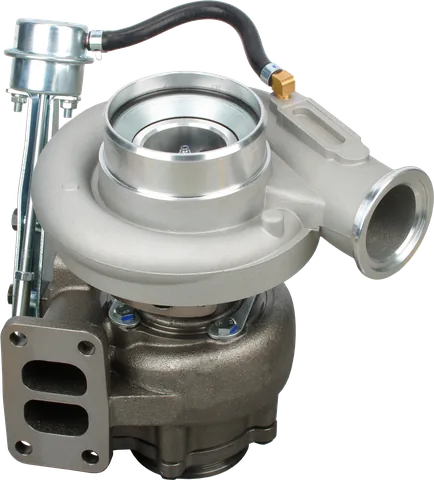
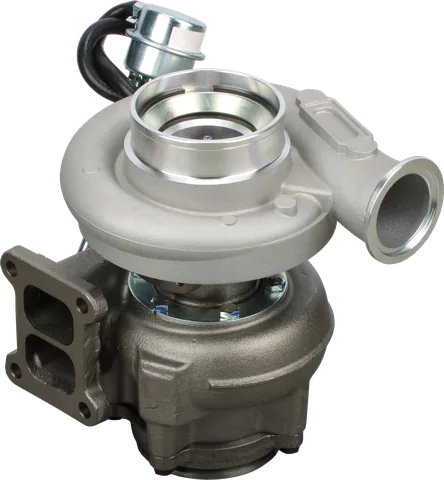
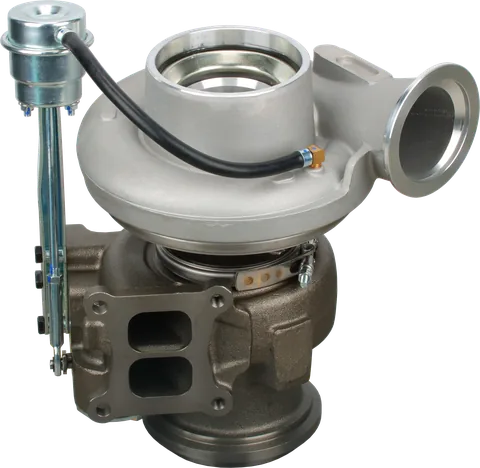
A replacement Isuzu 4HK1 turbo needs to match more than the engine name. The same caution applies when sourcing an Isuzu 4BD1T replacement turbocharger or 6HK1 turbocharger: identify the existing assembly, confirm its configuration, and determine what caused the problem before installing another unit.
For N-series and NPR owners, that means looking beyond the truck badge. Equipment owners also need the machine application and turbo identification. LeadTurbo’s catalog contains aftermarket replacements and service components. To determine which turbocharger fits an Isuzu 4HK1, use a listing’s engine reference as a starting point for fitment verification.
The engine family and why turbocharger condition matters
The 4BD1 and 4HK1 are inline four-cylinder diesels, while the 6HK1 is an inline six-cylinder diesel. The catalog covers these engines alongside related Isuzu applications, including 4HE1XS and 4HG1 T.
On a turbocharged diesel, exhaust energy drives a turbine connected to the intake compressor. The compressor increases the air mass available for combustion. A leak, restriction, damaged wheel, or control fault can reduce that air supply, affecting pulling power and smoke under load.
Working trucks and equipment expose the turbocharger to sustained exhaust heat, dusty environments, and repeated load changes. Clean intake air, adequate lubrication, unrestricted oil drainage, and correct boost control all matter. Replacing the turbo without correcting a supporting-system fault can damage the replacement.
Identify the Isuzu 4HK1 turbo before choosing a replacement
With the engine stopped and cool, look for a small identification plate or stamped identification area on the turbocharger. It is commonly on the compressor housing, although location varies. A mirror or phone camera may help when pipework obscures it. Clean gently so faint characters remain readable.
Photograph the entire plate and record every identifier. Distinguish among:
- Turbo model: A designation such as TD04H or GT2256MS identifies a design family, not necessarily one interchangeable assembly.
- Turbo assembly number: This identifies a more specific configuration; suffixes and revision characters can matter.
- OE part number: This is an original-equipment service reference when identified as such. Do not assume every number in a catalog title is an OE number.
- Casting number: A number cast into a housing may identify only that casting.
Also record the engine code and photograph both housings, mounting flanges, oil connections, coolant connections if present, and any actuator. For an Isuzu NPR turbo search, these details are more useful than the vehicle name alone.
Why similar turbochargers may not interchange
Housing A/R describes a housing passage’s area-to-radius relationship and influences flow behavior. A different turbine housing can change response and exhaust restriction even when the mounting flange looks familiar.
Compressor and turbine wheel dimensions and trim must match their housings and intended operating range. Similar-looking wheels are not automatically substitutes.
Control arrangements also differ. A wastegate bypasses exhaust around the turbine; a free-floating turbo has no wastegate or variable nozzle mechanism; a variable-geometry turbo changes turbine inlet geometry. The LeadTurbo catalog does not establish the control arrangement of every entry, so confirm it on the actual unit.
Finally, compare flange patterns, outlet direction, housing orientation, oil feed and drain arrangements, and water connections where fitted. Physical installation and correct operation both depend on these details.
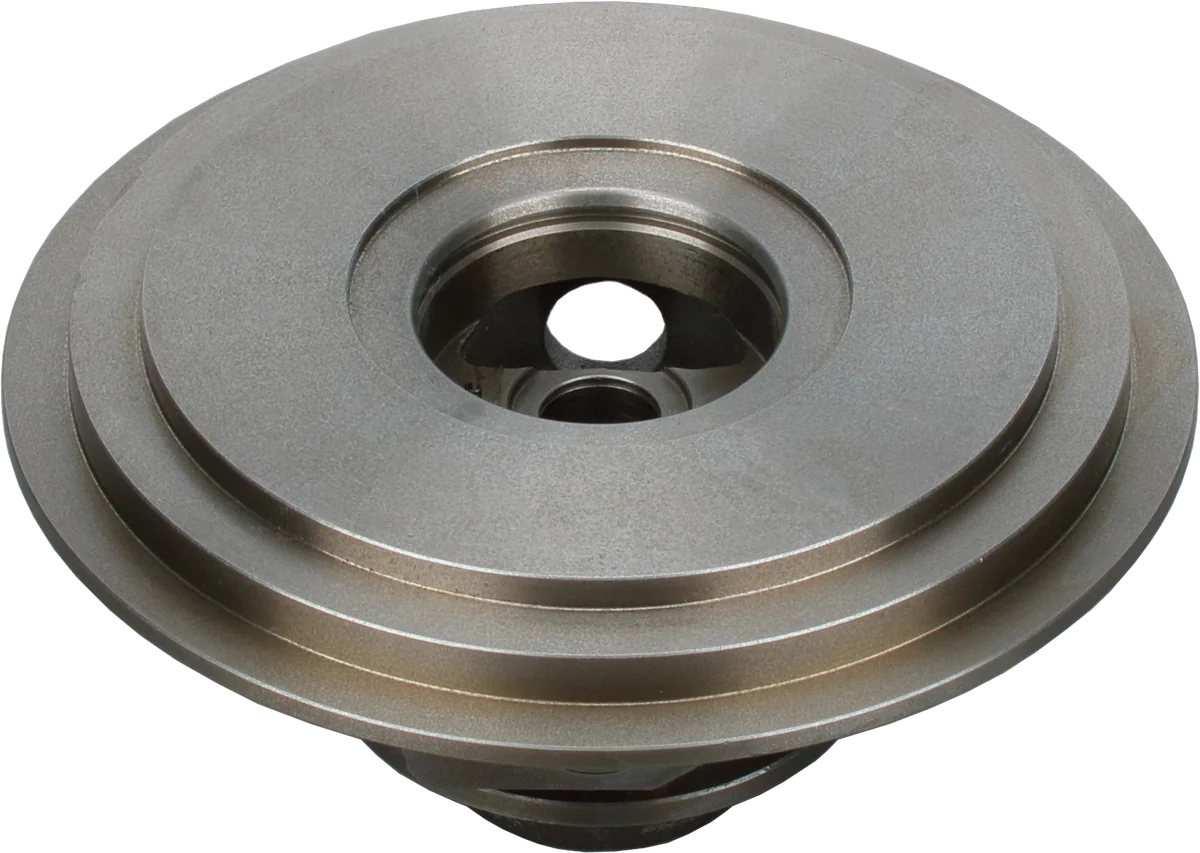
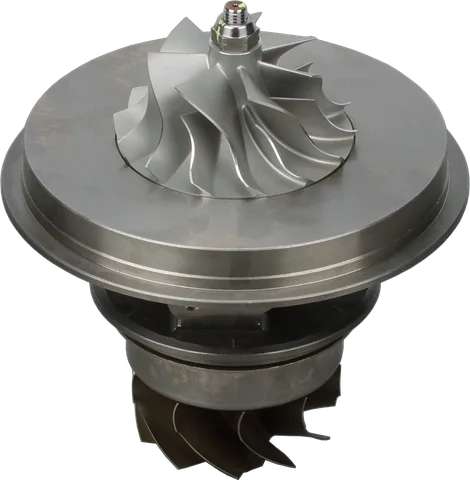
Central bore: houses the shaft and bearing system.
Mating surface: check cleanliness and damage.
Product photograph from 2026. Numbers identify the features explained below.
Representative catalog examples: verify against the data plate
These examples reproduce catalog identifiers and applications, including Isuzu 6HK1 turbocharger replacement options. They are not an interchange chart.
| Part number | Turbo model | Product type | Application |
|---|---|---|---|
| 1118010 LP20A | HE150EWG | Complete turbocharger | Isuzu 4HK1 |
| 49185 00540 TD04H 15G 12 | TD04H | Complete turbocharger | Isuzu 4BD1T |
| 49185 00540 TD04H 15G 12 | TD04H | CHRA/cartridge | KOBELCO SK120 ISUZU 4BD1T |
| 466898 0003 | — | Complete turbocharger | Isuzu 4BD1T |
| 431876 0109 | GT2560S | CHRA/cartridge | Isuzu 4HE1XS |
| 431518 0001 | GT2256MS | Complete turbocharger | Isuzu 4HG1 T |
| 431876 0145 | GT2256MS | CHRA/cartridge | Isuzu 4HG1 T |
| 431876 0145 RK | GT2256MS | Repair kit | Isuzu 4HG1 T |
| 114400 3900 | — | Complete turbocharger | Isuzu 6HK1T Hitachi EX300 7 |
| 114400 3900 | — | CHRA/cartridge | Isuzu 6HK1T |
| 114400 4420 RHG6 | — | Complete turbocharger | Isuzu 6HK1T Replacement |
| 451360 0001 | GT35 | Turbine wheel/shaft | Isuzu 6HK1 TCN |
Notice that one identifier can appear for different product types. Confirm what the listing supplies. Likewise, the GT2560S cartridge example names 4HE1XS; it does not establish compatibility with every 4HE1 turbo application.
Symptoms, likely causes, and checks before replacement
Boost loss and black smoke
Low boost can result from a split charge-air hose, leaking intercooler, restricted air filter, exhaust leak upstream of the turbine, or malfunctioning control hardware. Black smoke can accompany insufficient air for the injected fuel, but fueling and engine-condition problems can produce similar symptoms.
Inspect hoses, clamps, filter condition, and exhaust joints. Pressure-test the charge-air system using the applicable service procedure. On electronically controlled engines, read fault codes and compare commanded and actual operating values before blaming the turbo.
Oil leakage and blue smoke
Turbo oil leakage does not always begin with worn bearings. Oil must drain freely from the center housing. A restricted return, excessive crankcase pressure, or incorrect oil level can interfere with drainage and push oil toward the compressor or turbine.
Check the breather system, crankcase pressure, oil level, and drain routing. A light intake oil film may come from crankcase ventilation; pooled oil or increasing consumption needs investigation. Heavy oil ingestion can cause uncontrolled diesel acceleration, so do not restart an engine with substantial oil accumulated in the intake.
Why does my 4HK1 turbocharger whine, whistle, or scrape?
A new whistle may come from a boost leak or exhaust leak. Changing whine can also accompany wheel damage, imbalance, bearing deterioration, or unstable airflow. Sound alone cannot identify the failed component.
Check for loose joints and soot tracks before dismantling. With the engine stopped, inspect accessible blades for impact damage and housing contact. Scraping, broken blades, or a sudden severe noise warrants stopping operation until the cause is established.
Shaft play and bearing damage
Journal bearings support the rotating shaft on an oil film during operation. Some radial movement may be noticeable without oil pressure; finger feel alone cannot establish serviceability.
Measure radial and axial clearances against the exact turbo specification. Wheel contact, binding, and excessive end play are concerns. Contaminated oil can score bearing surfaces, while inadequate supply can collapse the protective film and cause rapid wear. Investigate oil pressure, feed restrictions, contamination, and maintenance history.
Cracked turbine housing
Repeated thermal cycling and excessive exhaust temperature can contribute to housing cracks. Exhaust system loads or poor support can add mechanical stress. A crack may leak exhaust or affect internal flow, depending on its location.
Have the housing assessed against applicable inspection criteria. Do not assume that a crack is harmless because the turbo still builds boost, or that every visible internal crack automatically requires the same repair.
Actuator and control faults
Where fitted, a sticking wastegate, damaged pressure hose, seized linkage, or electrical fault can cause incorrect boost. Variable-geometry mechanisms can also stick.
Test the applicable control system before replacing hardware. Do not adjust linkage length or stops by guesswork. An actuator replacement may require matching, setup, or electronic calibration.
Choosing the right replacement: 4HK1 CHRA vs complete turbocharger
Complete turbocharger: Usually the practical choice when multiple assemblies are damaged, a housing is unusable, or rebuilding cannot be justified. Confirm the supplied configuration and whether an actuator is included.
CHRA/cartridge: Replaces the center housing and rotating assembly while retaining serviceable outer housings. It makes sense when the exact cartridge is identified and the housings, locating surfaces, and control components pass inspection. It cannot repair damaged housings or incorrect wheel-to-housing geometry.
Repair kit or journal bearing: Appropriate for a qualified rebuild after measurements establish that the shaft, bearing housing, thrust surfaces, and wheels remain serviceable. New bearings cannot restore worn mating surfaces. Reassembly requires the correct clearances and appropriate balancing verification.
Turbine housing, turbine wheel/shaft, or compressor wheel: The catalog family includes these individual component types. Their use requires exact dimensional matching and specialist inspection. Replacing rotating parts changes the balance condition; visual similarity is insufficient.
Actuator: A separate actuator can address a confirmed control-component failure when the rest of the turbo passes inspection. Verify compatibility and the required setup procedure.
The best choice depends on damage extent and repair capability, not simply the smallest component that appears defective.
Installation checks for working diesels
-
Remove contamination from the air path. Inspect the intake, charge pipes, and intercooler for oil and fragments. Clean using an approved method and replace components when trapped debris cannot be reliably removed.
-
Inspect lubrication thoroughly. Check the feed line for internal restrictions, heat damage, and contamination. Confirm that the drain is clear, correctly routed, and free of kinks. Replace questionable lines and service the oil and filter as required.
-
Check crankcase pressure. Verify breather operation and investigate excessive blow-by. A new turbo cannot overcome a crankcase condition that prevents proper oil return.
-
Use new specified gaskets and seals. Keep debris and excess sealant out of oil passages. Align and support heavy exhaust pipes so their weight does not stress the turbine housing. Follow specified fastener procedures.
-
Prime before starting. Follow the turbo supplier’s lubrication instructions. Where the engine procedure calls for cranking with fueling disabled, use the approved method to establish oil supply before firing. Do not rev immediately after startup.
-
Verify controls and operation. Perform electronic actuator calibration or relearn where required. Check for oil, coolant, air, and exhaust leaks, then evaluate operation under controlled load. Follow the engine’s shutdown guidance after hard work.
Common Questions
Will any Isuzu 4HK1 turbo fit my engine?
No. The engine code alone does not identify the housing, connections, control system, or internal specification. Match the turbo data-plate number and OE part number, then confirm the physical connections and application before ordering.
Is an Isuzu NPR turbo identified by the truck name?
No. NPR identifies the truck, not the exact turbo assembly. Record the engine code and existing turbo identification, and provide photos of the housings, mounting flanges, connections, and actuator if fitted.
Can I replace only the CHRA?
Yes, if the exact cartridge is confirmed and the retained housings, wheel clearances, and control components pass inspection. A CHRA will not correct a cracked turbine housing, incompatible wheel profile, or faulty actuator.
Does oil in the intake mean the turbo has failed?
Not necessarily. Crankcase ventilation can introduce oil mist, while drainage restrictions or excessive crankcase pressure can cause turbo oil leakage. Pooling oil, rising oil consumption, or heavy smoke requires investigation before further operation.
Is some turbo shaft movement normal?
Some radial movement can be felt in an unpressurized journal-bearing turbo. Acceptability depends on measured clearances and the exact specification. Wheel contact, binding, damaged blades, or excessive axial movement requires professional inspection.
Does GT2256MS identify the correct replacement by itself?
No. GT2256MS is a turbo model designation, and the catalog includes different product types under that designation. Match the full identifying number and confirm whether you need a complete turbo, cartridge, or repair components.
How does a 4HK1 turbocharger work?
A 4HK1 turbocharger uses exhaust energy to drive a turbine connected to the intake compressor. The compressor increases the air mass available for combustion. Leaks, restrictions, wheel damage, or control faults can reduce that supply, affecting pulling power and smoke under load. If boost drops, check hoses, clamps, the air filter, and control hardware.
Send the turbo data-plate number, OE part number, engine details, and photos to LeadTurbo to confirm fitment before ordering an Isuzu 4HK1 turbo.