Turbo Components
11 min read
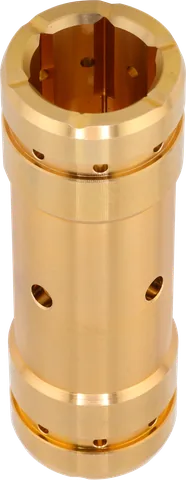
A turbo floating bearing supports the shaft on oil films, and understanding those films helps you judge wear, compare repair kits, and choose a replacement CHRA.
turbo floating bearing
how turbocharger floating bearings work
automotive turbocharger floating bearings
Read guide
Turbo Components
12 min read
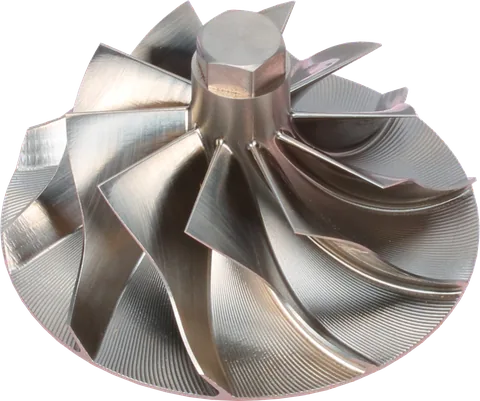
A turbo compressor raises intake pressure by adding energy at the wheel, then slowing that air through the diffuser and housing.
how does a turbo compressor work
how does a turbocharger compressor build pressure
turbocharger compressor inducer vs exducer
Read guide
Turbo Components
11 min read
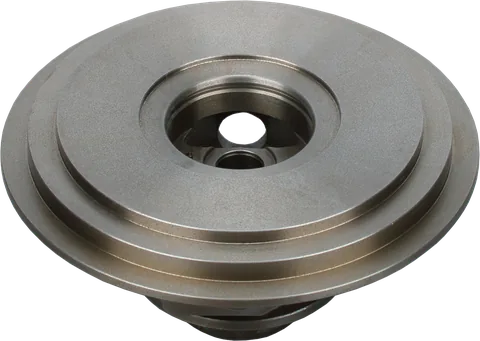
A turbocharger controls oil with metal rings, rotating deflectors, pressure balance, and a clear drain rather than a rubber lip rubbing on the shaft.
turbo seals
how turbo seals work
turbocharger compressor seals vs turbine seals
Read guide
Turbo Components
11 min read
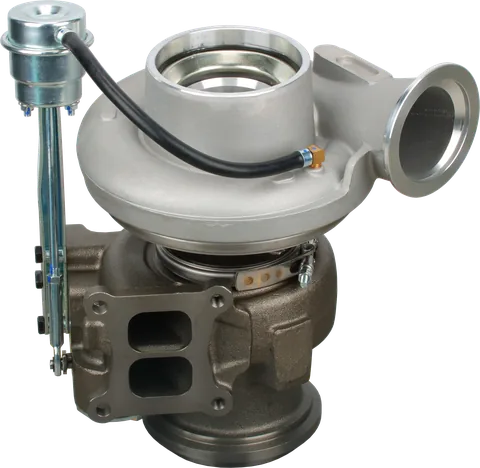
For a stock wastegated diesel, the internal vs external wastegate choice usually favors the original layout and factory actuator calibration.
internal vs external wastegate
internal vs external turbocharger wastegates
how does a turbocharger wastegate work
Read guide
Turbo Components
11 min read
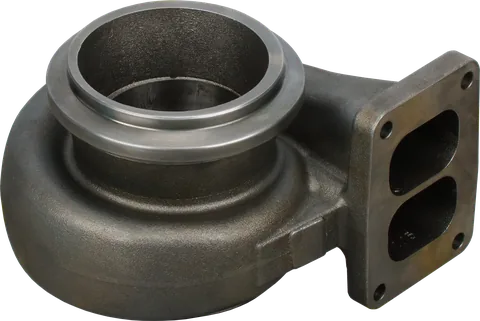
The right turbine housing A/R helps a diesel turbocharger build boost promptly while managing exhaust restriction at its intended engine rating.
turbine housing A/R
how does a turbocharger turbine housing work
small vs large turbocharger a/r
Read guide
Turbo Components
11 min read
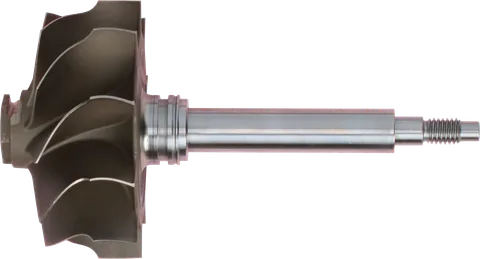
Understanding turbine wheel trim helps diesel rebuilders compare hot sides, preserve performance under load, and order components that fit together correctly.
turbine wheel trim
which turbocharger turbine wheel size to order
how to calculate turbocharger turbine trim
Read guide
Turbo Components
11 min read
A turbo heat shield can protect nearby diesel engine components, but selecting and fitting the right protection matters more than covering everything hot.
turbo heat shield
turbo heat shield vs blanket
heat damage after turbocharger replacement
Read guide
Turbo Components
12 min read
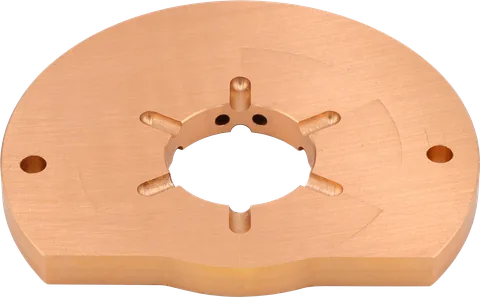
Choosing a turbo thrust bearing means matching its oil-film design, material, and mating parts to the turbocharger—not simply buying the kit with more bearing coverage.
turbo thrust bearing
how does a turbocharger thrust bearing work
turbocharger thrust bearing materials
Read guide
Turbo Components
11 min read
Understanding compressor trim helps you compare wheel proportions and choose diesel replacement parts without mistaking a size ratio for a performance rating.
compressor trim
turbocharger inducer vs exducer
how to calculate turbocharger compressor trim
Read guide
Turbo Components
10 min read
A water cooled turbo needs both oil and coolant connections, while an oil-only center housing relies on oil flow and its designed heat protection.
water cooled turbo
water cooled turbo vs oil-cooled turbocharger
turbocharger coolant ports
Read guide